

Crypto Scams Targeting Seniors Are Growing—Here’s What You and Your Family Can Do About It
- This post was inspired by a recent Barron’s article, which reported that scams targeting older Americans — especially those involving cryptocurrency — are on the rise. Here, I expand on that issue with practical tips for families.
- Reports show seniors losing $10,000+ to impersonation scams have quadrupled since 2020.
- Fraudsters are increasingly requesting cryptocurrency payments, which are nearly impossible to recover once sent.
- Common scam tactics include impersonating the IRS, Social Security, or even family members in distress.
- Families can take simple steps to educate, protect, and support elderly loved ones.
- Technology tools such as call-filtering apps can reduce exposure to scams.
- If seniors are interested in trying cryptocurrency, they may want to consider well‑established, regulated platforms such as those based in the U.S. (examples, Coinbase.com, Robinhood.com), which are subject to U.S. consumer protection and financial regulations. On other hand, some large platforms operate from outside the U.S. (examples, Binance from Malta, KuCoin from Seychelles, Bitstamp from Luxembourg), but pursuing lawsuits across borders can be more complicated and time-consuming, the bad people have to be bought into U.S. to press charges.
Older adults are among the most frequent targets of online and phone-based scams. Criminals exploit trust, fear, and urgency to manipulate seniors into sending money through cryptocurrency platforms. Because crypto transactions are irreversible and difficult to trace, losses can be financially devastating and emotionally isolating.
How Scammers Operate
- Impersonation → Posing as the IRS, Social Security Administration, tech support, or even a relative.
- Example scam text messages:
- “You owe back taxes. Pay now in Bitcoin to avoid arrest.”
- Example scam text messages:
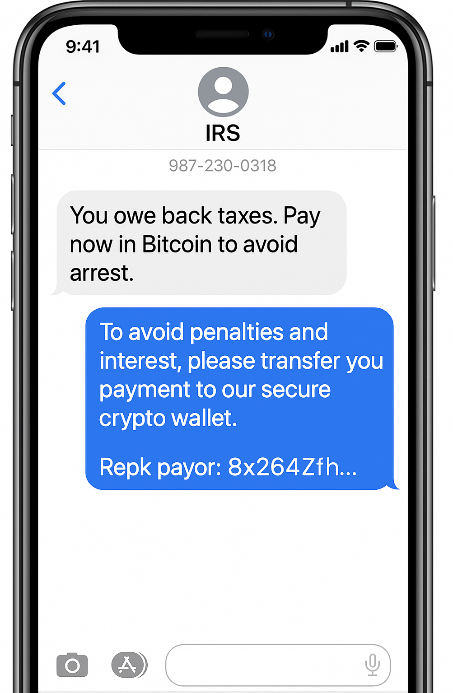
-
-
- “Your Social Security benefits are suspended—verify your wallet immediately.”
-
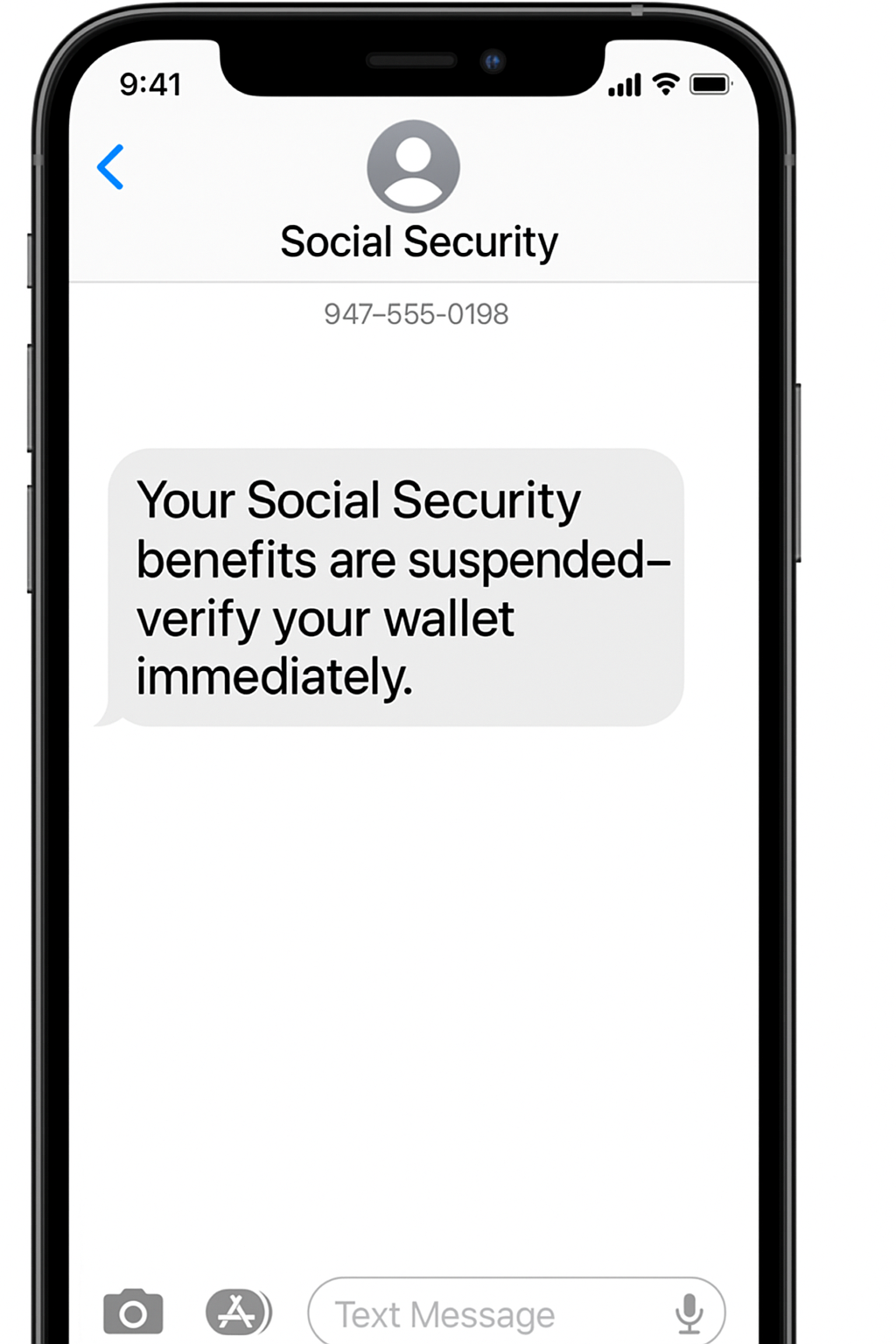
-
-
- “Mom, I’m in trouble. Send crypto now!”
-
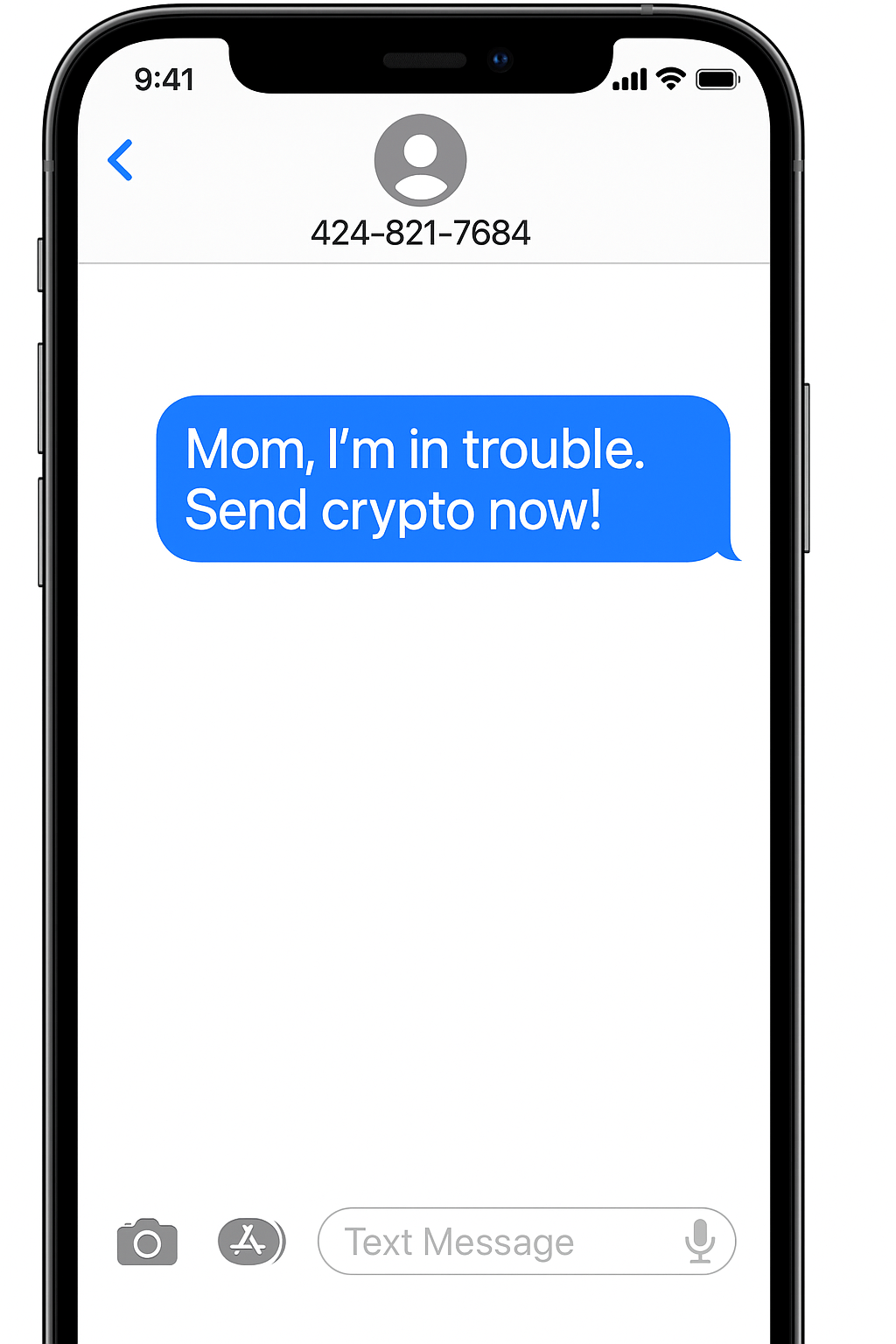
- Urgency → Demanding immediate action to prevent arrest, fines, or harm to a loved one.
- Crypto Transfers → Directing victims to buy Bitcoin or other digital currencies and send them to a fraudulent wallet.
Why Crypto Is the New Tool of Choice
- Transactions are difficult to trace and nearly impossible to reverse (e.g. using Pancake Swap to track the transactions or other sites. See example transactions below moving from wallet to another wallet using Pancake Swap: PancakeSwap: Factory v2 | Address: 0xca143ce3…fc5350c73 | BscScan

- Instant transfers across borders with very low fee
- Many seniors are less familiar with crypto platforms, making them easier to exploit
The Risks for Seniors
- Financial Losses — Many victims report losing over $10,000
- Emotional Distress — Shame, fear, and isolation often follow a scam
- Limited Recourse — Crypto transfers lack consumer protections like credit cards or banks
Steps to Keep Seniors Safe
- Educate About Scams → Stress that legitimate agencies (IRS, Social Security, banks) will never request payment via cryptocurrency.
- Create Trusted Contacts → Encourage seniors to confirm suspicious requests with family or a trusted friend.
- Pause Before Paying → Take time to verify before sending any funds, especially if urgency is emphasized.
- Report Quickly → If a scam occurs, report it right away to:
- FTC → reportfraud.ftc.gov
- FBI Internet Crime Complaint Center (IC3) → ic3.gov
Tech Safeguards Families Can Use
Call-filtering apps can block or flag scam phone calls (note: they don’t filter text messages). Free options include:
|
Resource |
Why It’s Helpful |
Link |
|
Coinbase.com |
For seniors who interested in cryptocurrency with US-based company |
Affiliated Referral Program – Impact Radius (Click Here) |
|
Robinhood.com |
For seniors who interested in cryptocurrency with US-based company |
Affiliated Referral Program – Impact Radius (Click Here) |
|
FTC Scam Alerts |
Get free updates on trending fraud tactics |
|
|
FTC Report Fraud |
Official site for filing fraud complaints |
|
|
FBI Internet Crime Complaint Center (IC3) |
Report online fraud and cybercrime |
Photo adopted from ChatGPT.
Disclaimer: GoldieCircle may recommend third-party products and services based on internal evaluation. Such recommendations do not constitute a warranty or guarantee of performance, suitability, or lifespan. All products are subject to their respective manufacturers’ terms and conditions. GoldieCircle assumes no liability for any claims or damages arising from the use of any recommended product or service.
Reader Feedback
Join GoldieCircle to leave a comment.