
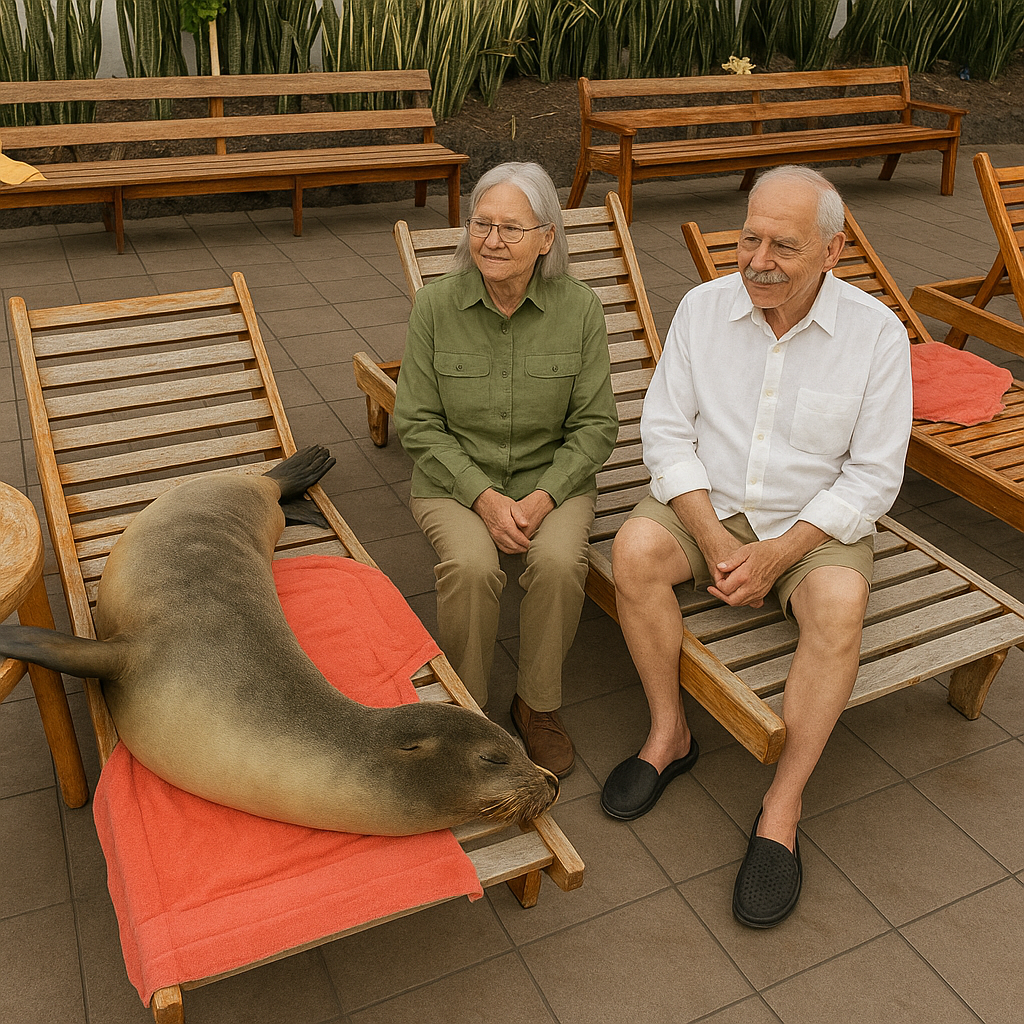
Your Parents Are Going on Safari — Are They Protected from Mosquitoes and Sunburn?
REAL-WORLD WAKE-UP CALL: In 2025, global chikungunya cases surpassed 445,000 across 40 countries, according to the World Health Organization. The CDC notes that older adults (65+) and those with chronic conditions face higher risk of severe illness from mosquito-borne diseases like chikungunya and malaria. On safari or in the equatorial Galápagos, mosquitoes and intense UV rays don’t take a day off.
As Saint Augustine once said, “The world is a book, and those who do not travel, read only one page.” If an African safari or the Galápagos Islands is part of your golden-years bucket list, protecting your skin and avoiding mosquito bites should be a top priority.
InsectShield® clothing is designed to combine UPF sun protection with built-in permethrin-based insect repellent that is EPA-registered to last up to 70 washes. Pair it with high-SPF sunscreen and topical repellent for more complete coverage on exposed skin.
Why It Matters in the Golden Years of Traveling
Shield Your Skin from Irritation
As we age, skin becomes thinner and more sensitive. The Galápagos Islands sit on the equator, where sunlight is both direct and intense. Without proper protection, sunburns and irritation can happen quickly. High-SPF sunscreen on exposed skin — and UPF-rated clothing on covered areas — can help reduce that risk.
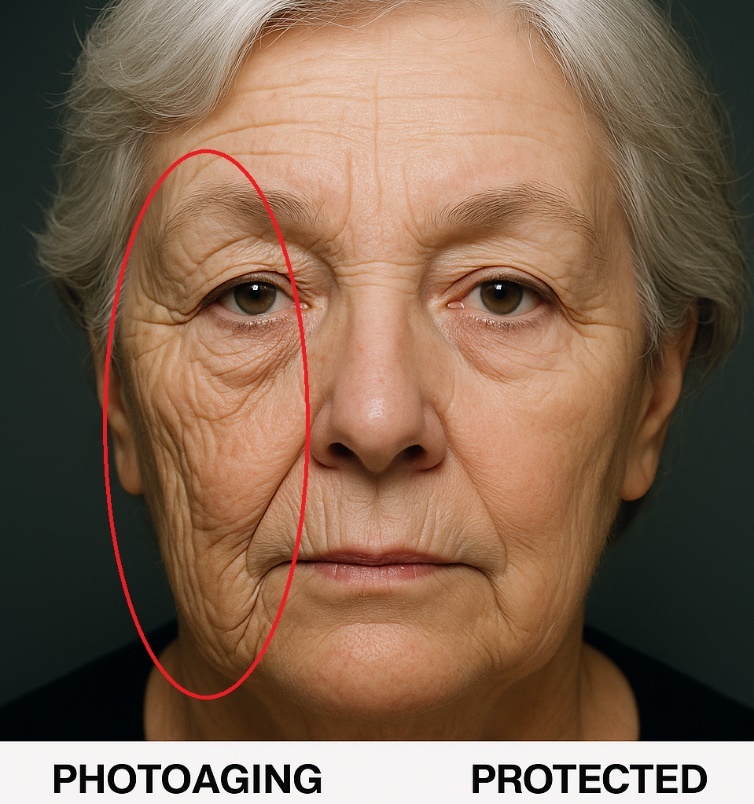
Photos adopted from ChatGPT
Guard Yourself During Evenings Outdoors
During safari lodge dinners or Galápagos beachfront evenings, mosquitoes and sand flies become active. Even with long sleeves and pants, hands, ankles, and face remain exposed — making topical repellents an important backup.
Essentials for Comfort and Independence
- InsectShield clothing = fewer reapplications of repellent
- UPF-rated fabric = sun protection without heavy sunscreen on covered areas
- Sunscreen only needed on exposed skin (face, neck, hands, ankles)
- Repellent sprays or wipes = lightweight and easy to reapply
Safari and Galápagos Tips
- Safari: Wear long sleeves, pants, and a wide-brim hat in the early mornings and evenings when mosquitoes are most active.
- Galápagos: Expect sand flies and intense equatorial sun. UPF clothing may help reduce the need for extra sunscreen on covered areas.
- Packing Hack: Choose light, breathable colors like khaki, tan, or olive for cooler comfort and to blend into safari landscapes.
Things to Consider
- Consult your doctor or a travel health clinic before traveling to malaria-risk areas. The CDC advises anti-malarial medications for most travelers to sub-Saharan Africa.
- InsectShield UPF ratings vary by product. Check the specific garment label for the exact UPF rating before purchasing.
- Reapply sunscreen every two hours, and immediately after swimming or sweating, per manufacturer directions.
- Topical DEET-based or picaridin-based repellents are noted by the CDC for exposed skin in addition to permethrin-treated clothing.
- Permethrin-treated clothing should not be dry cleaned. Normal home laundering works well.
- If you have sensitive skin, test sunscreen and repellent on a small area first. Consult a dermatologist if you experience irritation.
|
Product |
Why It Helps Seniors |
Link |
|
InsectShield® Clothing (Shirts, Pants, Hats) |
EPA-registered permethrin repellent bonded to fabric. Designed to repel mosquitoes, ticks, flies, and midges. Lasts up to 70 washes. Select styles include UPF sun protection. No sprays to reapply on covered areas. |
|
|
Hawaiian Tropic Sunscreen SPF 70 (Oxybenzone-Free) |
Broad-spectrum UVA/UVB protection. SPF 70 is the highest SPF in the market. Oxybenzone-free formula. Helps protect exposed skin (face, neck, hands, ankles) in equatorial sun. Oil-free and non-greasy. |
Photo adopted from ChatGPT.
Disclaimer: GoldieCircle may feature third-party products and services based on internal evaluation. Such top picks do not constitute a warranty or guarantee of performance, suitability, or lifespan. All products are subject to their respective manufacturers’ terms and conditions. GoldieCircle assumes no liability for any claims or damages arising from the use of any featured product or service.

Loading comments…